




Cold Wallets Explained: The Professional Guide to Secure Crypto Self-Custody

In cryptocurrency, ownership is not defined by a username, a password, or a customer support ticket. It is defined by control of private keys. This is what makes digital assets powerful, but it is also what makes security so unforgiving. If a private key or seed phrase is exposed, stolen, or mishandled, the assets connected to it can often be moved permanently within minutes.
That is why cold wallets have become a core part of serious crypto security. Whether you hold Bitcoin for the long term, manage Ethereum-based assets, store stablecoins, or build a personal self-custody strategy, understanding how cold storage works is essential. A cold wallet is not just another crypto accessory. It is a security model built around one principle: keep the keys that control your assets away from the online environments most likely to be attacked.
This guide explains what a cold wallet is, how it differs from a hot wallet, why it matters, how seed phrase backups fit into the picture, and which best practices help reduce real-world risk. The goal is not to make crypto custody sound complicated. The goal is to make it manageable, practical, and resilient.
Table of Contents
- What Is a Cold Wallet?
- Cold Wallet vs Hot Wallet
- Common Types of Cold Wallets
- Why Cold Wallets Matter for Crypto Security
- Seed Phrase Security and Backup Strategy
- Cold Wallet Best Practices
- Common Mistakes to Avoid
- FAQ
What Is a Cold Wallet?
A cold wallet is a cryptocurrency wallet that keeps private keys offline or isolated from internet-connected devices. The assets themselves are not physically stored inside the wallet. Bitcoin, Ethereum, and other crypto assets remain recorded on their respective blockchains. What the wallet protects is the cryptographic authority needed to move those assets.
That authority usually comes in the form of a private key or a seed phrase. If someone controls that information, they can sign transactions and transfer the assets. If they do not control it, they cannot move the funds, even if they know the public wallet address. This is why the security of a crypto wallet is ultimately the security of its keys.
A cold wallet reduces risk by keeping those keys away from the internet. Instead of storing signing credentials inside a phone app, browser extension, or exchange account, a cold wallet uses an offline or isolated environment. The user can still create transactions, but the sensitive signing process happens in a protected setting.
Cold Wallet vs Hot Wallet: The Core Difference
The easiest way to understand cold wallets is to compare them with hot wallets. A hot wallet is connected to the internet. Examples include mobile wallets, browser extension wallets, desktop wallets, and custodial exchange wallets. Hot wallets are convenient because they are always ready for quick transactions. They are useful for small balances, active trading, DeFi interactions, NFT activity, and day-to-day crypto use.
A cold wallet is different. It is designed for security first. The private keys are generated and stored in an offline or isolated environment, and transactions require an additional signing step. This creates friction, but that friction is intentional. It gives the user more time to verify what is being signed and makes it much harder for malware or a phishing website to extract the private key directly.
In practical terms, a hot wallet is like the cash you carry in your pocket. A cold wallet is more like a secured vault. Both have a role, but they should not be used for the same purpose. Small, active funds can live in a hot wallet. Long-term holdings and larger balances deserve cold storage.
Common Types of Cold Wallets
Hardware Wallets
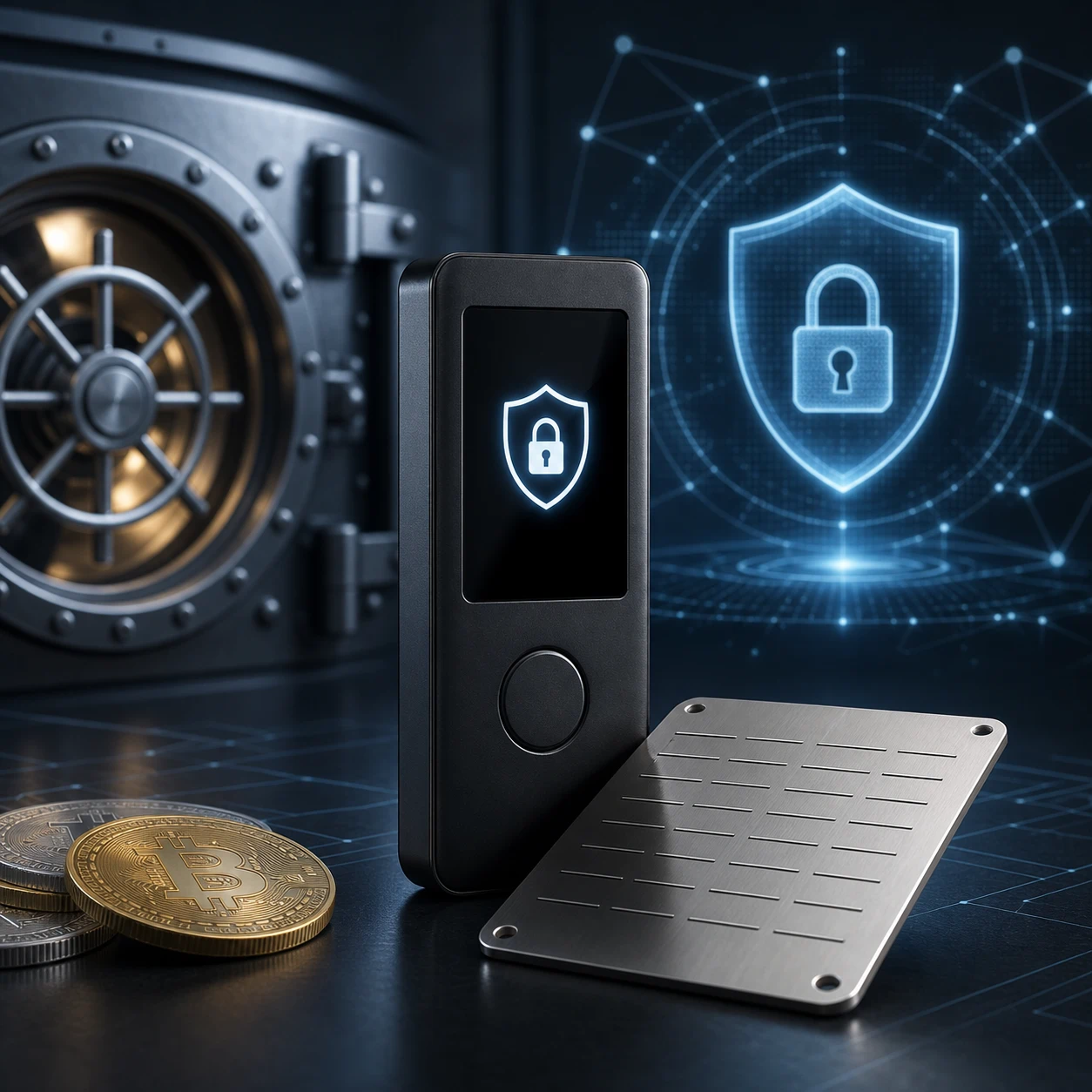
Hardware wallets are the most widely used cold wallet solution for individuals. They are dedicated physical devices built to generate, store, and use private keys without exposing them to the connected computer or phone. When a transaction is prepared, the hardware wallet signs it internally. The private key remains inside the device.
This makes hardware wallets a strong choice for long-term holders because they balance usability and security. They are not perfect, and they must be purchased and initialized carefully, but they are far safer than storing a seed phrase in a browser extension, screenshot, cloud drive, or email account.
Air-Gapped Wallets
An air-gapped wallet avoids direct network and cable connections to an online device. Transactions may be transferred using QR codes or removable media. This model further reduces attack surface because the signing device is physically separated from the internet-connected device.
Air-gapped setups can be excellent for advanced users or high-value storage, but they require discipline. Users must understand the workflow and carefully verify transaction details before signing.
Offline Computers
Some users create wallets on computers that never connect to the internet. This method can provide strong isolation, but it is less beginner-friendly. The security depends heavily on how the operating system was installed, whether the device ever connects to a network, how transactions are transferred, and how backups are handled.
Paper Wallets
A paper wallet is a printed private key or seed phrase. While simple in theory, paper wallets are risky in practice. Paper can be damaged by water, fire, fading ink, or simple misplacement. Many paper wallets have also been created using insecure online generators. For most users, a reputable hardware wallet paired with a durable seed phrase backup is a safer and more practical choice.
Why Cold Wallets Matter for Crypto Security
Most crypto losses are not caused by broken blockchains. They are caused by compromised keys, phishing attacks, malicious smart contract approvals, fake support messages, infected computers, and poor backup practices. A cold wallet does not eliminate every risk, but it addresses one of the biggest: direct exposure of private keys to online threats.
With a properly used cold wallet, an attacker who compromises your laptop still should not be able to simply copy your private key. A fake website may trick you into connecting a wallet, but the transaction still needs to be reviewed and confirmed. Malware may modify a copied address, but the correct address can be checked on the wallet screen before signing.
Cold wallets also reduce reliance on centralized platforms. Keeping all assets on an exchange means trusting that exchange with custody, operations, security, and withdrawal access. Exchanges can be useful, but they are not the same as self-custody. A cold wallet allows users to hold assets directly while reducing the online attack surface.
Seed Phrase Security and Backup Strategy
The seed phrase is the master backup for most modern wallets. It is usually a sequence of 12, 18, or 24 words generated during wallet setup. If the hardware wallet is lost or damaged, the seed phrase can restore access. If the seed phrase is stolen, the assets can be stolen. This makes seed phrase security one of the most important parts of cold wallet ownership.
The seed phrase should never be stored digitally. Do not save it in screenshots, notes apps, cloud storage, email drafts, messaging apps, password managers, or online documents. Digital convenience creates digital exposure. A cold wallet setup loses much of its value if the recovery phrase is stored in an internet-connected account.
A better approach is to write the seed phrase offline and store it in a secure physical location. For long-term durability, many users choose metal seed phrase backups because they are more resistant to fire, water, corrosion, and physical damage than paper. For larger holdings, some users maintain multiple backups in separate secure locations, but this must be done carefully. More copies can improve redundancy, but they also increase the number of places an attacker could find the phrase.
Cold Wallet Best Practices
Buy From Official or Trusted Sources
Always purchase hardware wallets from official manufacturers or trusted authorized resellers. Avoid used devices, suspicious discounts, and wallets that arrive with a pre-written seed phrase. A legitimate wallet should generate the seed phrase during your own setup process, not before.
Initialize the Wallet Yourself
During setup, make sure the device generates a new seed phrase. If a wallet arrives with printed recovery words, treat it as compromised. Never deposit funds into a wallet if someone else may have seen or created the recovery phrase.
Verify Addresses on the Device Screen
Address verification is essential. Malware can replace copied addresses in the clipboard. A user may think they are pasting their own receiving address while actually pasting an attacker-controlled address. Before sending funds, compare the address shown in the wallet software with the address displayed on the hardware wallet screen.
Use Test Transactions for Large Transfers
When moving a significant amount of crypto, send a small test transaction first. Confirm that it arrives correctly before transferring the full balance. This adds a little time and cost, but it can prevent catastrophic mistakes involving wrong networks, incorrect addresses, or unsupported assets.
Separate Storage From Activity
A strong custody setup separates long-term storage from daily activity. Use a cold wallet for savings and a separate hot wallet for DeFi, NFTs, experimentation, and frequent transactions. This limits the damage if an active wallet signs a risky approval or interacts with a malicious contract.
Review Smart Contract Approvals Carefully
A cold wallet protects private keys, but it cannot protect you from voluntarily signing a dangerous transaction. Smart contract approvals can grant spending permissions. Unlimited approvals can be especially risky if the contract is malicious or later compromised. Read transaction prompts carefully and use trusted tools to review and revoke approvals when needed.
Keep Firmware and Wallet Software Updated
Use official wallet software and keep firmware current. Updates may improve security, patch vulnerabilities, and support newer networks or transaction formats. Never download wallet software from ads, random links, or direct messages. Type the official website manually or use verified bookmarks.
Common Mistakes to Avoid
The first common mistake is treating a cold wallet as a magic shield. It is not. It is a powerful security tool, but user behavior still matters. If you enter your seed phrase into a phishing website, sign a malicious approval, or store your backup in a cloud account, the cold wallet cannot undo that risk.
The second mistake is failing to test recovery. Many users write down a seed phrase but never verify that it was recorded correctly. A single wrong word can make recovery impossible. Some wallets offer a recovery check feature that lets users confirm the phrase without exposing it online.
The third mistake is overcomplicating the setup. Security should be strong, but it should also be understandable. A backup system that is too complex may fail when it is needed most. The best setup is one that protects against theft, damage, and forgetfulness while still being practical for the owner or trusted recovery plan.
The fourth mistake is keeping no inheritance or emergency plan. If you are the only person who understands how to access your assets, your crypto may become permanently inaccessible if something happens to you. Larger holdings deserve a carefully designed estate and recovery plan that balances privacy, security, and continuity.
Who Should Use a Cold Wallet?
A cold wallet is appropriate for anyone holding more crypto than they are comfortable losing. It is especially important for long-term Bitcoin holders, Ethereum investors, stablecoin holders, NFT collectors, business treasuries, and users who want direct self-custody rather than relying entirely on exchanges.
Beginners can use cold wallets too, but they should take time to learn the setup process. The goal is not to rush funds into cold storage without understanding recovery. The goal is to build a secure custody system that can survive device loss, computer compromise, phishing attempts, and simple human error.
Final Thoughts
A cold wallet is one of the strongest foundations for crypto self-custody. It reduces private key exposure, improves control, and gives long-term holders a more resilient way to manage digital assets. But the real strength of cold storage comes from combining the right tool with the right habits.
Buy carefully. Initialize the wallet yourself. Protect the seed phrase offline. Verify addresses. Separate long-term holdings from active wallets. Be skeptical of urgent messages, fake support accounts, and offers that sound too good to be true.
In crypto, security is not a one-time action. It is a system. A cold wallet gives that system a strong foundation by helping ensure that the keys to your assets remain under your control.
FAQ
What is the main purpose of a cold wallet?
The main purpose of a cold wallet is to keep private keys offline or isolated from internet-connected devices. This reduces the risk of theft from malware, phishing attacks, browser exploits, and compromised online accounts.
Is a hardware wallet the same as a cold wallet?
A hardware wallet is one common type of cold wallet. It stores private keys inside a dedicated physical device and signs transactions without exposing those keys to the connected computer or phone.
Can a cold wallet be hacked?
A properly used cold wallet is much harder to compromise remotely, but no setup is risk-free. Users can still lose assets through seed phrase exposure, malicious approvals, insecure purchases, or poor backup practices.
Should beginners use a cold wallet?
Yes, beginners who hold meaningful amounts of crypto should consider using a cold wallet. However, they should first learn how seed phrases, backups, address verification, and recovery work.
What happens if I lose my cold wallet?
If you lose the physical device but still have the correct seed phrase, you can restore access using a compatible wallet. If you lose both the device and the seed phrase, the assets may be permanently inaccessible.